In hospitals, research facilities, and pharmaceutical environments, precision and safety depend on more than just advanced equipment – they rely on how well critical control systems are designed, installed, and integrated. A reliable critical space control system doesn’t come together by chance. It requires a strategic approach that moves seamlessly from planning and installation to integration and long-term performance.
Step 1: Careful Planning and Design
Every facility has unique requirements, whether it’s a hospital isolation room, a pharmaceutical cleanroom, or a research laboratory. The first step in building a reliable system is understanding the specific compliance, safety, and operational needs of the environment.
During the planning stage, specialists evaluate airflow requirements, pressure controls, and building management systems. This ensures that the design not only meets regulatory standards but also supports long-term efficiency and reliability. An independent, brand-neutral provider can recommend the best solutions from leading manufacturers like Phoenix Controls, Antec, Triatek, and Accutrol, tailoring systems to fit each facility.
Step 2: Expert Installation for Lasting Performance
The most advanced system will underperform if it’s not installed correctly. Professional installation ensures that every component—from airflow controls to building management interfaces—is calibrated to meet strict compliance requirements.
This stage includes everything from hospital environmental control installation to laboratory control setup, with a focus on precision and reliability. Expert teams also perform initial testing and balancing to verify that systems are operating correctly from day one, reducing the risk of costly errors or delays.
Step 3: Seamless Integration for Efficiency and Safety
Critical spaces often rely on multiple systems working together, and integration is what makes them function as a cohesive network. Airflow, temperature, alarms, and building controls must communicate seamlessly to maintain safe and compliant environments.
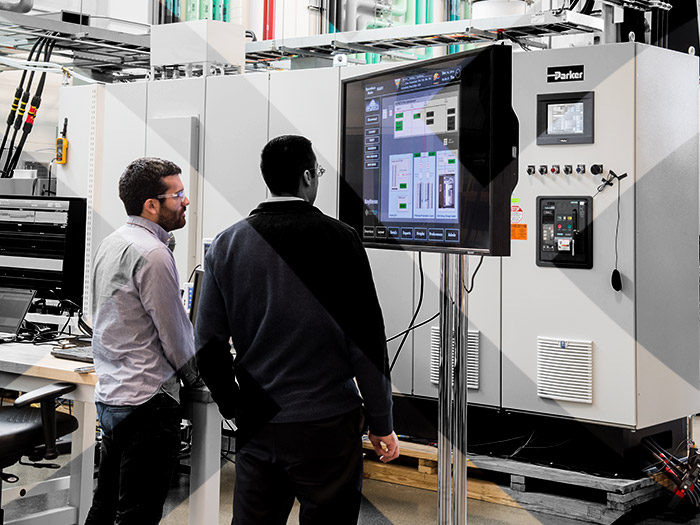
Integrated control systems provide real-time monitoring and automated adjustments. For example, if an isolation room experiences a pressure imbalance, the system can detect the issue and correct it instantly. Integration also allows facility managers to oversee operations from a central interface, saving time while improving safety.
Step 4: Ongoing Support and Maintenance
Reliability doesn’t end once installation and integration are complete. Continuous monitoring, routine testing, and system calibration are critical for long-term performance. Partnering with an experienced service provider ensures that facilities maintain compliance with evolving standards while preventing downtime and operational risks.
A comprehensive service team not only supports regular maintenance but also provides upgrades and system improvements as technology advances. This proactive approach extends the lifespan of critical control systems and keeps facilities prepared for future needs.
To Conclude
From installation to integration, building a reliable critical space control system requires expertise, precision, and ongoing support. By combining careful planning, expert installation, seamless integration, and long-term maintenance, healthcare, research, and pharmaceutical facilities can create safe, compliant, and efficient environments.
Independent Critical Space Controls delivers complete solutions tailored to each facility, ensuring every stage of the process is handled with the highest level of care. With decades of expertise and partnerships with trusted manufacturers, we help organizations across Mississippi, Alabama, Louisiana or beyond. achieve the reliability their critical spaces demand.