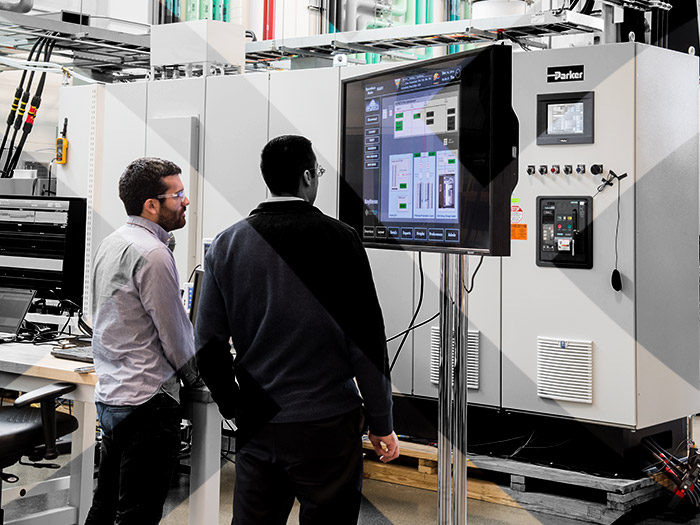

Research facilities are environments where precision, safety, and reliability are essential. Whether working with sensitive materials, conducting advanced testing, or supporting pharmaceutical development, these spaces must operate under strict compliance standards while maintaining efficiency. One technology leading this transformation is smart building controls, integrated systems that allow research facilities to maintain safe environments, optimize performance, and reduce costs.
What Are Smart Building Controls?
Smart building controls combine advanced sensors, monitoring tools, and automated systems to regulate critical aspects of facility operations such as airflow, temperature, pressure, and energy usage. Unlike traditional systems, smart controls provide real-time data and adaptive responses, ensuring that even small fluctuations are quickly corrected.
In a research facility, where maintaining the right conditions can mean the difference between success and failure, these systems provide unmatched precision and dependability.
Enhancing Safety Through Automation
Safety is the highest priority in any research environment. Airborne contaminants, hazardous materials, or even minor lapses in airflow can compromise not only experiments but also the health of staff. Smart building controls minimize these risks by automatically maintaining proper airflow direction, ensuring cleanroom standards, and monitoring environmental conditions 24/7.
With smart controls, research facilities can also integrate alarms and notifications that alert staff to potential risks in real time. This proactive approach reduces downtime, prevents contamination, and supports compliance with regulatory requirements.
Driving Energy Efficiency and Cost Savings
Research facilities are often energy-intensive, with strict heating, ventilation, and air conditioning (HVAC) requirements. Smart building controls help reduce energy waste by using data-driven insights to balance efficiency with compliance.
For example, variable air volume (VAV) systems and intelligent airflow controls can adjust ventilation rates based on occupancy or lab activity. This adaptive strategy ensures resources are used where they’re needed most, saving energy without compromising safety. Over time, these efficiencies translate into significant cost savings for research organizations.
Integration with Facility-Wide Systems
One of the most powerful advantages of smart building controls is their ability to integrate seamlessly with other building management systems. Instead of operating as isolated solutions, smart controls unify critical systems, airflow, HVAC, lighting, and monitoring—into one connected network.
This integration not only improves performance but also provides facility managers with a single, streamlined interface for oversight. By centralizing control, research facilities can identify inefficiencies, track compliance, and make informed decisions backed by real-time data.
Long-Term Reliability and Compliance
Beyond safety and efficiency, smart building controls provide research facilities with long-term reliability. Regular testing, calibration, and integration services ensure that these systems maintain compliance with stringent standards such as those set by ASHRAE and OSHA.
By working with experienced providers, facilities can implement systems designed to meet their specific needs, supported by expert installation, monitoring, and ongoing maintenance.
Final Thoughts
In today’s demanding research environments, smart building controls are more than just a convenience, they’re a necessity. By combining advanced automation, real-time data, and seamless integration, these systems transform research facilities into safer, more efficient, and more reliable spaces. With independent, brand-neutral solutions and decades of expertise, Independent Critical Space Controls helps organizations across Mississippi, Alabama, Louisiana or beyond. design and maintain building controls that protect people, support compliance, and deliver measurable efficiency every day.